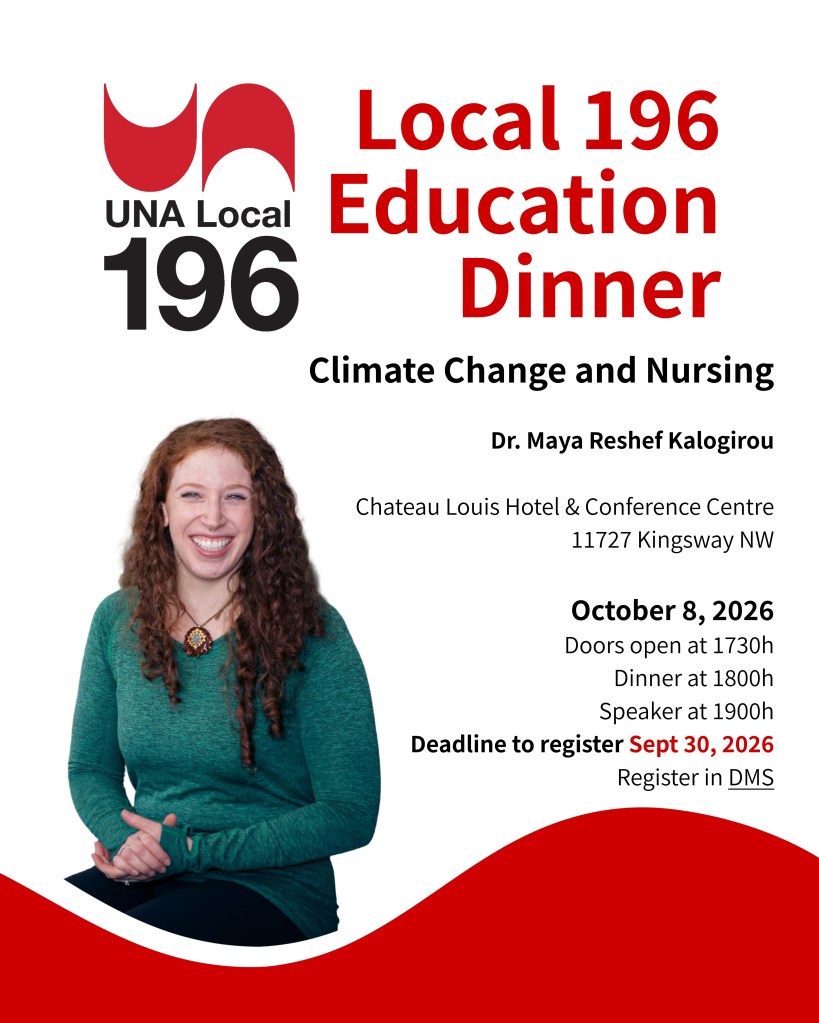
Event Information:
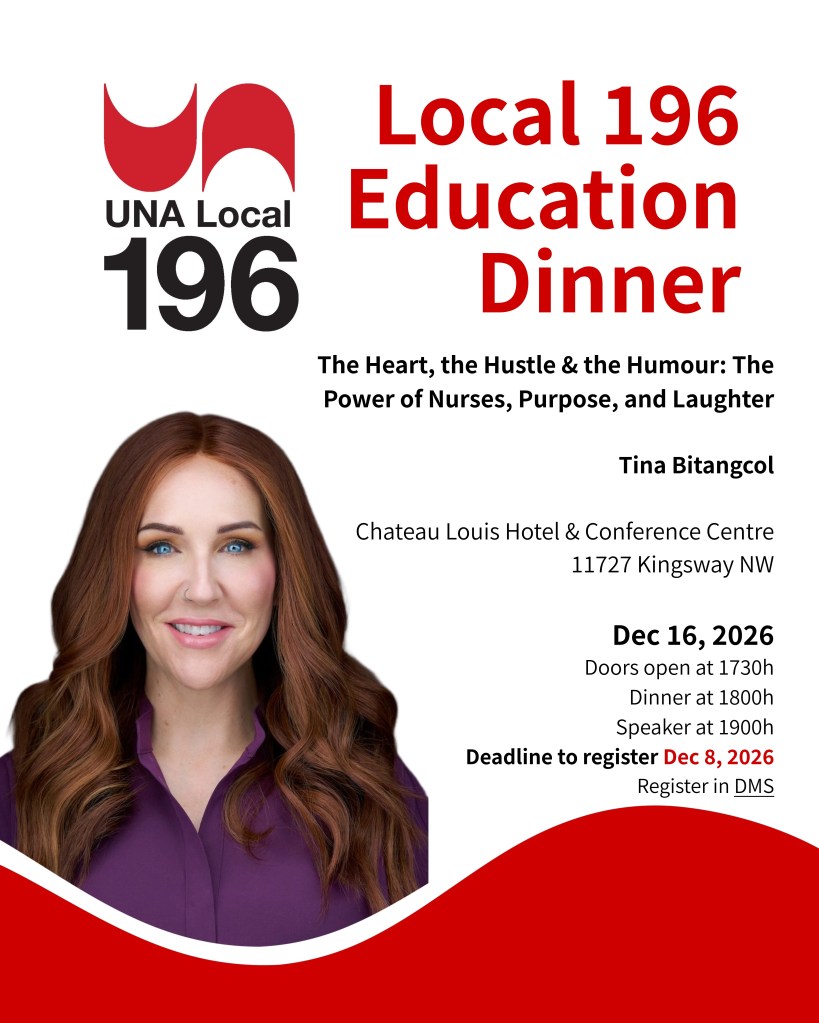
This presentation will explore what happens when we lose sight of why we became nurses, why we need one another more than ever, and the incredible power of standing together as a profession. Through personal stories, bedside reflections, and a call to collective strength, this talk challenges nurses to reconnect with their purpose, recognize the impact of solidarity and advocacy, and remember that we are stronger when we support one another. Because sometimes you have to laugh so you don’t cry in the supply room, the presentation will end with a touch of healthcare comedy that celebrates the absurdity, humanity, and shared experiences of working in healthcare.
Speaker Information:
Tina Bitangcol, better known as Mama Nurse Tina, is a registered nurse, content creator, speaker, and stand-up comedian with 19 years of bedside experience in labour and delivery. As a Certified Perinatal Nurse and Certified Breastfeeding Specialist, she has dedicated her career to supporting families through some of life’s most vulnerable and transformative moments.
Through her online platform, Mama Nurse Tina, Tina combines evidence-based health education with humour, honesty, and an unapologetically relatable approach, reaching audiences across social media. She is passionate about advocating for patients, empowering healthcare professionals, and reminding nurses of the purpose that brought them into the profession in the first place.
Register for the event through DMS
Registration Deadline is Dec 8th at 1200h
Not a UNA member? Go to the UNA website for instructions on becoming a member.
This event is open to members and duespayers of Local 196 only.
TICKETS ARE NON-TRANSFERABLE.
Registration must be completed using a non-AHS email.
Questions/Dietary requests? Please email Local196Education@una.ca
- If you have registered and can no longer attend, please cancel your registration in DMS or email Local196Education@una.ca before the registration deadline.




You must be logged in to post a comment.